
Contents
- 📈 Introduction to Kanban
- 🏭 The Origins of Kanban
- 📊 Key Principles of Kanban
- 📈 Implementing Kanban in Agile Project Management
- 📊 Benefits of Kanban in Project Management
- 📝 Kanban Boards and Visualization
- 📊 Kanban Metrics and Monitoring
- 📈 Kanban and Lean Software Development
- 🤝 Kanban in Team Collaboration
- 📊 Overcoming Challenges in Kanban Implementation
- 📈 Future of Kanban in Project Management
- Frequently Asked Questions
- Related Topics
Overview
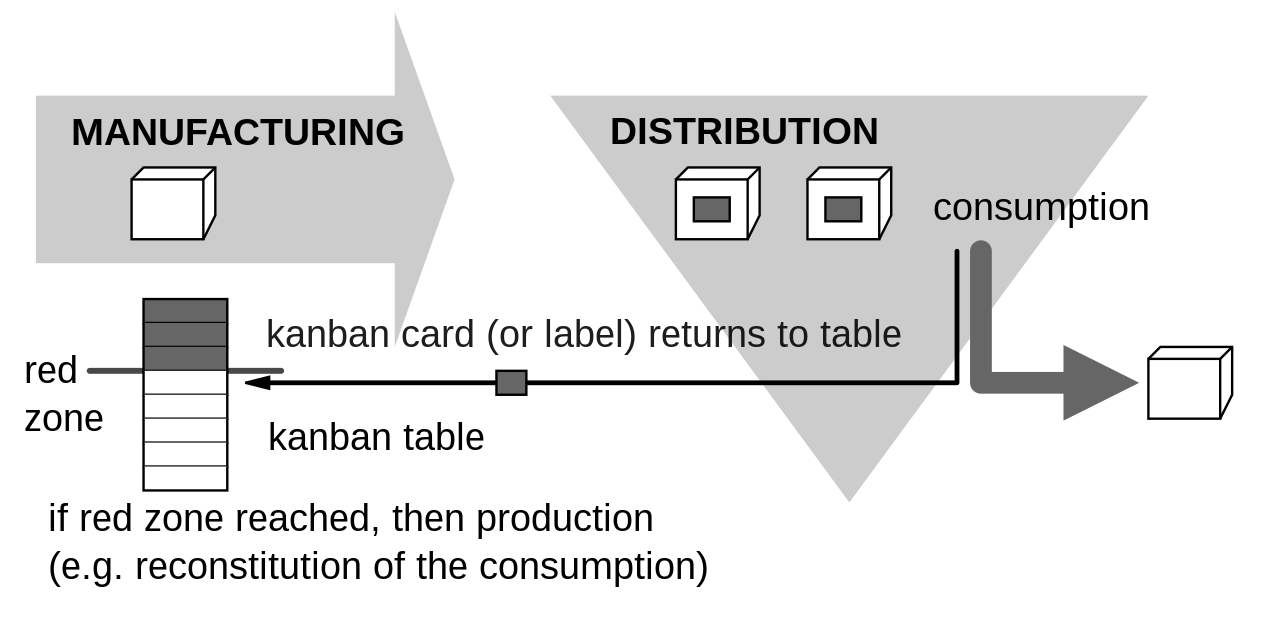
Kanban is a scheduling system for lean manufacturing that has evolved into a powerful tool for agile project management. Developed by Taiichi Ohno, an industrial engineer at Toyota, kanban aims to improve manufacturing efficiency by visualizing workflows and limiting work in progress. The system takes its name from the cards that track production within a factory, also known as the Toyota Production System. As a project management methodology, kanban is closely related to agile project management and lean software development. With its focus on continuous improvement and delivery, kanban has become a popular choice for teams looking to streamline their workflows and improve productivity.
🏭 The Origins of Kanban
The origins of kanban date back to the 1950s, when Taiichi Ohno was working at Toyota. Ohno was inspired by the just-in-time production system used by American supermarkets, where stocks were replenished just in time to meet customer demand. He applied this concept to Toyota's manufacturing process, creating a system that used cards to track production and manage inventory. This system, known as kanban, was designed to reduce waste and improve efficiency in the production process. Today, kanban is used in a variety of industries, from manufacturing to software development, and is closely related to agile methodologies such as Scrum and Extreme Programming.
📊 Key Principles of Kanban
The key principles of kanban are centered around visualizing workflows, limiting work in progress, and continuous improvement. By visualizing the workflow, teams can identify bottlenecks and areas for improvement, and make data-driven decisions to optimize the process. Limiting work in progress helps to reduce waste and improve efficiency, by ensuring that teams are not overwhelmed with too much work at once. Continuous improvement is also a key principle of kanban, as teams regularly review and refine their processes to ensure they are meeting their goals. As a project management methodology, kanban is closely related to project management and operations research.
📈 Implementing Kanban in Agile Project Management
Implementing kanban in agile project management involves several key steps. First, teams must visualize their workflow, using tools such as kanban boards or swimlane diagrams. Next, teams must establish clear priorities and limits on work in progress, to ensure that the workflow is managed effectively. Teams must also establish a regular review and refinement process, to ensure that the workflow is continuously improved. By following these steps, teams can implement kanban and achieve the benefits of improved efficiency, productivity, and customer satisfaction. As a project management methodology, kanban is closely related to agile coaching and project planning.
📊 Benefits of Kanban in Project Management
The benefits of kanban in project management are numerous. By visualizing the workflow and limiting work in progress, teams can reduce waste and improve efficiency. Kanban also helps teams to prioritize work more effectively, and to deliver value to customers more quickly. Additionally, kanban helps teams to identify and address bottlenecks and areas for improvement, leading to continuous improvement and refinement of the workflow. As a project management methodology, kanban is closely related to lean project management and Six Sigma.
📝 Kanban Boards and Visualization
Kanban boards are a key tool for visualizing workflows and managing work in progress. A kanban board typically consists of columns or lanes, each representing a stage in the workflow. Cards or sticky notes are used to represent individual tasks or items, and are moved across the board as they progress through the workflow. By visualizing the workflow in this way, teams can identify bottlenecks and areas for improvement, and make data-driven decisions to optimize the process. As a project management tool, kanban boards are closely related to Gantt charts and burn-down charts.
📊 Kanban Metrics and Monitoring
Kanban metrics and monitoring are critical to the success of a kanban implementation. Teams must establish clear metrics and key performance indicators (KPIs) to measure the effectiveness of the workflow, and to identify areas for improvement. Common kanban metrics include lead time, cycle time, and throughput. By monitoring these metrics, teams can refine the workflow and make data-driven decisions to optimize the process. As a project management methodology, kanban is closely related to metrics and key performance indicators.
📈 Kanban and Lean Software Development
Kanban and lean software development are closely related, as both methodologies focus on delivering value to customers quickly and efficiently. Lean software development is a set of principles and practices that aim to minimize waste and maximize value in software development. Kanban is a key tool for implementing lean software development, as it provides a framework for visualizing and managing the workflow. By combining kanban with lean software development principles, teams can achieve the benefits of improved efficiency, productivity, and customer satisfaction. As a project management methodology, kanban is closely related to DevOps and continuous integration.
🤝 Kanban in Team Collaboration
Kanban in team collaboration is critical to the success of a kanban implementation. Teams must work together to visualize the workflow, establish clear priorities and limits on work in progress, and refine the workflow regularly. By collaborating in this way, teams can achieve the benefits of improved efficiency, productivity, and customer satisfaction. As a project management methodology, kanban is closely related to team collaboration and communication planning.
📊 Overcoming Challenges in Kanban Implementation
Overcoming challenges in kanban implementation is critical to the success of a kanban implementation. Common challenges include resistance to change, lack of clear priorities, and inadequate metrics and monitoring. To overcome these challenges, teams must establish clear communication and collaboration, establish clear priorities and limits on work in progress, and refine the workflow regularly. By following these steps, teams can overcome the challenges of kanban implementation and achieve the benefits of improved efficiency, productivity, and customer satisfaction. As a project management methodology, kanban is closely related to change management and risk management.
📈 Future of Kanban in Project Management
The future of kanban in project management is bright, as more and more teams adopt this powerful methodology. As a project management methodology, kanban is closely related to agile project management and lean software development. With its focus on continuous improvement and delivery, kanban is well-suited to the fast-paced and rapidly changing world of project management. By combining kanban with other agile methodologies, such as Scrum and Extreme Programming, teams can achieve the benefits of improved efficiency, productivity, and customer satisfaction.
Key Facts
- Year
- 1950
- Origin
- Japan
- Category
- Project Management
- Type
- Methodology
Frequently Asked Questions
What is kanban?
Kanban is a scheduling system for lean manufacturing that has evolved into a powerful tool for agile project management. Developed by Taiichi Ohno, an industrial engineer at Toyota, kanban aims to improve manufacturing efficiency by visualizing workflows and limiting work in progress. As a project management methodology, kanban is closely related to agile project management and lean software development.
What are the key principles of kanban?
The key principles of kanban are centered around visualizing workflows, limiting work in progress, and continuous improvement. By visualizing the workflow, teams can identify bottlenecks and areas for improvement, and make data-driven decisions to optimize the process. Limiting work in progress helps to reduce waste and improve efficiency, by ensuring that teams are not overwhelmed with too much work at once.
How is kanban implemented in agile project management?
Implementing kanban in agile project management involves several key steps. First, teams must visualize their workflow, using tools such as kanban boards or swimlane diagrams. Next, teams must establish clear priorities and limits on work in progress, to ensure that the workflow is managed effectively. Teams must also establish a regular review and refinement process, to ensure that the workflow is continuously improved.
What are the benefits of kanban in project management?
The benefits of kanban in project management are numerous. By visualizing the workflow and limiting work in progress, teams can reduce waste and improve efficiency. Kanban also helps teams to prioritize work more effectively, and to deliver value to customers more quickly. Additionally, kanban helps teams to identify and address bottlenecks and areas for improvement, leading to continuous improvement and refinement of the workflow.
What is a kanban board?
A kanban board is a key tool for visualizing workflows and managing work in progress. A kanban board typically consists of columns or lanes, each representing a stage in the workflow. Cards or sticky notes are used to represent individual tasks or items, and are moved across the board as they progress through the workflow. By visualizing the workflow in this way, teams can identify bottlenecks and areas for improvement, and make data-driven decisions to optimize the process.
What are some common kanban metrics?
Common kanban metrics include lead time, cycle time, and throughput. Lead time is the time it takes for a task or item to move from the start of the workflow to the end. Cycle time is the time it takes for a task or item to move through a single stage of the workflow. Throughput is the number of tasks or items that are completed within a given time period. By monitoring these metrics, teams can refine the workflow and make data-driven decisions to optimize the process.
How does kanban relate to lean software development?
Kanban and lean software development are closely related, as both methodologies focus on delivering value to customers quickly and efficiently. Lean software development is a set of principles and practices that aim to minimize waste and maximize value in software development. Kanban is a key tool for implementing lean software development, as it provides a framework for visualizing and managing the workflow.