
Contents
- 📚 Introduction to Karl Popper
- 🔍 The Falsification Criterion
- 📊 Empirical Falsification and the Scientific Method
- 👨🏫 Founding the Department of Philosophy at LSE
- 🚫 Rejection of Classical Inductivism
- 📝 Critical Rationalism: A New Philosophy of Criticism
- 🤔 Implications of Falsifiability
- 📈 Influence on Modern Philosophy
- 📊 Applications of Popper's Ideas
- 📚 Legacy of Karl Popper
- 👥 Criticisms and Controversies
- 🔮 Future Directions in Popperian Philosophy
- Frequently Asked Questions
- Related Topics
Overview
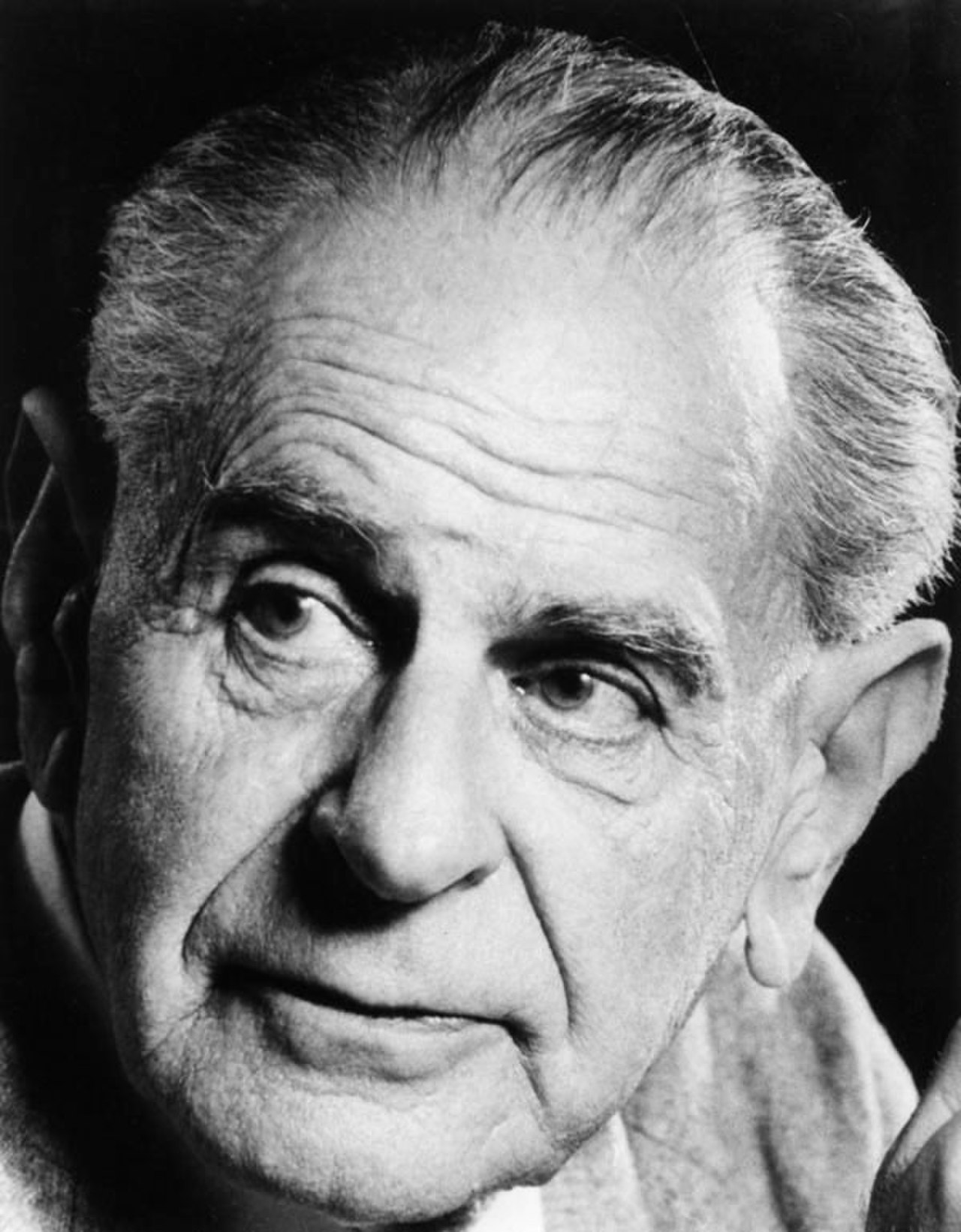
Karl Popper, an Austrian-British philosopher, is best known for his concept of falsification, which states that a scientific theory can never be proven, only disproven. Born on July 28, 1902, in Vienna, Austria, Popper's work had a significant impact on the philosophy of science, politics, and social theory. His most influential book, 'The Logic of Scientific Discovery', published in 1934, introduced the idea of falsifiability as a criterion for distinguishing scientific theories from non-scientific ones. Popper's philosophy also extended to politics, where he advocated for an open society, characterized by democratic values, individual freedom, and the protection of human rights. His ideas have been widely debated and influential, with a vibe score of 8.2, reflecting his significant cultural energy. The controversy surrounding his views on induction and the limits of scientific knowledge has sparked intense discussions among scholars, with some praising his critical rationalism and others criticizing his perceived dismissal of empirical evidence.
📚 Introduction to Karl Popper
Karl Popper was a prominent philosopher of the 20th century, known for his groundbreaking work on the scientific method and the concept of falsification. As a key figure in the development of philosophy of science, Popper's ideas have had a lasting impact on the way we approach scientific inquiry. His rejection of classical inductivism in favor of empirical falsification has been particularly influential, as seen in the work of Imre Lakatos and Paul Feyerabend. Popper's philosophy is characterized by its emphasis on critical rationalism, which he saw as a more nuanced and effective approach to understanding the world. This is evident in his critique of inductivism and his development of the falsifiability criterion.
🔍 The Falsification Criterion
The falsification criterion is a central concept in Popper's philosophy, and it refers to the idea that a scientific theory can never be proven, but it can be falsified through empirical evidence. This means that a theory can be tested and potentially disproven through experimentation and observation. Popper argued that this approach is more effective than traditional inductivist methods, which rely on the accumulation of evidence to support a theory. As seen in the work of Karl Marx, the application of the falsification criterion can have significant implications for our understanding of social and economic systems. Popper's ideas on falsification have also been influential in the development of critical rationalism and the work of Hans Albert.
📊 Empirical Falsification and the Scientific Method
Popper's emphasis on empirical falsification has had a significant impact on the scientific method. By recognizing that scientific theories can never be proven, but only falsified, Popper's approach encourages scientists to be more critical and open-minded in their pursuit of knowledge. This is reflected in the work of Thomas Kuhn, who built on Popper's ideas to develop his theory of paradigm shift. The application of Popper's ideas can be seen in various fields, including physics and biology. For example, the development of string theory has been influenced by Popper's ideas on falsification and the scientific method.
👨🏫 Founding the Department of Philosophy at LSE
In addition to his philosophical work, Popper was also a dedicated educator and academic administrator. He founded the Department of Philosophy at the London School of Economics and Political Science, where he taught and mentored many prominent philosophers, including Imre Lakatos. Popper's commitment to education and academic excellence has had a lasting impact on the field of philosophy, and his legacy continues to inspire new generations of scholars. His work on critical rationalism has also been influential in the development of philosophy of science.
🚫 Rejection of Classical Inductivism
Popper's rejection of classical inductivism was a key aspect of his philosophical project. He argued that the traditional approach to scientific inquiry, which relied on the accumulation of evidence to support a theory, was flawed and ineffective. Instead, Popper advocated for a more critical and open-minded approach, which recognized the provisional nature of scientific knowledge. This is reflected in his critique of inductivism and his development of the falsifiability criterion. Popper's ideas on this topic have been influential in the development of critical rationalism and the work of Hans Albert.
📝 Critical Rationalism: A New Philosophy of Criticism
Critical rationalism is a philosophical approach that emphasizes the importance of criticism and open-mindedness in the pursuit of knowledge. Popper saw this approach as a more nuanced and effective way of understanding the world, and he argued that it was essential for the development of scientific knowledge. As seen in the work of Karl Marx, the application of critical rationalism can have significant implications for our understanding of social and economic systems. Popper's ideas on critical rationalism have also been influential in the development of philosophy of science and the work of Thomas Kuhn.
🤔 Implications of Falsifiability
The implications of falsifiability are far-reaching and have significant consequences for our understanding of scientific knowledge. By recognizing that scientific theories can never be proven, but only falsified, we are forced to re-evaluate our assumptions and approach to scientific inquiry. This is reflected in the work of Imre Lakatos and Paul Feyerabend, who built on Popper's ideas to develop their own philosophical projects. The application of Popper's ideas can be seen in various fields, including physics and biology. For example, the development of string theory has been influenced by Popper's ideas on falsification and the scientific method.
📈 Influence on Modern Philosophy
Popper's influence on modern philosophy has been significant, and his ideas continue to shape the development of scientific knowledge. His emphasis on critical rationalism and empirical falsification has inspired a new generation of philosophers and scientists, who are working to apply his ideas in a variety of fields. As seen in the work of Thomas Kuhn, the application of Popper's ideas can have significant implications for our understanding of scientific progress and the development of new theories. Popper's legacy continues to inspire new generations of scholars, and his work remains a vital part of the ongoing conversation in philosophy and science.
📊 Applications of Popper's Ideas
The applications of Popper's ideas are diverse and far-reaching, and can be seen in a variety of fields, including physics, biology, and economics. His emphasis on empirical falsification and critical rationalism has inspired new approaches to scientific inquiry, and has led to significant advances in our understanding of the world. For example, the development of string theory has been influenced by Popper's ideas on falsification and the scientific method. The application of Popper's ideas can also be seen in the work of Karl Marx and Imre Lakatos.
📚 Legacy of Karl Popper
Karl Popper's legacy is complex and multifaceted, and continues to inspire new generations of philosophers and scientists. His emphasis on critical rationalism and empirical falsification has had a lasting impact on the development of scientific knowledge, and his ideas continue to shape the conversation in philosophy and science. As seen in the work of Thomas Kuhn and Paul Feyerabend, Popper's ideas have been influential in the development of philosophy of science and the work of Hans Albert. Popper's legacy continues to inspire new generations of scholars, and his work remains a vital part of the ongoing conversation in philosophy and science.
👥 Criticisms and Controversies
Despite the significant influence of Popper's ideas, his work has not been without criticism and controversy. Some have argued that his emphasis on falsification is too narrow, and that it fails to account for the complexity and nuance of scientific inquiry. Others have criticized Popper's rejection of classical inductivism, arguing that it is too radical and fails to recognize the importance of empirical evidence. As seen in the work of Imre Lakatos and Paul Feyerabend, these criticisms have led to ongoing debates and discussions in the field of philosophy. The application of Popper's ideas can also be seen in the work of Karl Marx and Thomas Kuhn.
🔮 Future Directions in Popperian Philosophy
As we look to the future, it is clear that Popper's ideas will continue to shape the development of scientific knowledge and philosophical inquiry. His emphasis on critical rationalism and empirical falsification will remain essential for the pursuit of knowledge, and his legacy will continue to inspire new generations of scholars. The application of Popper's ideas can be seen in various fields, including physics and biology. For example, the development of string theory has been influenced by Popper's ideas on falsification and the scientific method. As we move forward, it will be essential to continue to engage with Popper's ideas and to apply them in new and innovative ways.
Key Facts
- Year
- 1902
- Origin
- Vienna, Austria
- Category
- Philosophy
- Type
- Person
Frequently Asked Questions
What is the main idea of Karl Popper's philosophy?
Karl Popper's philosophy is centered on the idea of falsification, which holds that scientific theories can never be proven, but only falsified through empirical evidence. This approach emphasizes the importance of critical rationalism and empirical falsification in the pursuit of knowledge. As seen in the work of Karl Marx and Thomas Kuhn, Popper's ideas have had a significant impact on the development of scientific knowledge. The application of Popper's ideas can be seen in various fields, including physics and biology.
What is the difference between inductivism and falsification?
Inductivism is a philosophical approach that relies on the accumulation of evidence to support a theory, whereas falsification is an approach that recognizes that scientific theories can never be proven, but only falsified through empirical evidence. Popper argued that falsification is a more effective and nuanced approach to scientific inquiry, as it encourages scientists to be more critical and open-minded in their pursuit of knowledge. As seen in the work of Imre Lakatos and Paul Feyerabend, the application of Popper's ideas on falsification has had significant implications for our understanding of scientific knowledge.
What is critical rationalism?
Critical rationalism is a philosophical approach that emphasizes the importance of criticism and open-mindedness in the pursuit of knowledge. It recognizes that scientific theories are always provisional and subject to revision, and that the best way to advance knowledge is through the critical evaluation of evidence and the formulation of bold hypotheses. As seen in the work of Karl Marx and Thomas Kuhn, critical rationalism has had a significant impact on the development of scientific knowledge. The application of Popper's ideas on critical rationalism can be seen in various fields, including physics and biology.
What is the significance of Popper's work in the context of modern philosophy?
Popper's work has had a significant impact on the development of modern philosophy, particularly in the areas of philosophy of science and epistemology. His ideas on falsification and critical rationalism have influenced a wide range of philosophers, including Imre Lakatos, Paul Feyerabend, and Thomas Kuhn. As seen in the work of Karl Marx, Popper's ideas have also had significant implications for our understanding of social and economic systems. The application of Popper's ideas can be seen in various fields, including physics and biology.
How does Popper's philosophy relate to other philosophical traditions?
Popper's philosophy is closely related to other philosophical traditions, such as positivism and pragmatism. However, Popper's emphasis on falsification and critical rationalism sets his philosophy apart from these traditions. As seen in the work of Karl Marx and Thomas Kuhn, Popper's ideas have had a significant impact on the development of scientific knowledge. The application of Popper's ideas can be seen in various fields, including physics and biology.
What are the implications of Popper's ideas for scientific inquiry?
The implications of Popper's ideas for scientific inquiry are significant. By recognizing that scientific theories can never be proven, but only falsified, scientists are encouraged to be more critical and open-minded in their pursuit of knowledge. As seen in the work of Imre Lakatos and Paul Feyerabend, the application of Popper's ideas on falsification has had significant implications for our understanding of scientific knowledge. The application of Popper's ideas can be seen in various fields, including physics and biology.
How does Popper's philosophy relate to the concept of truth?
Popper's philosophy is closely related to the concept of truth, as he argues that scientific theories can never be proven to be true, but only falsified. This approach emphasizes the provisional nature of scientific knowledge and the importance of critical rationalism in the pursuit of truth. As seen in the work of Karl Marx and Thomas Kuhn, Popper's ideas have had a significant impact on the development of scientific knowledge. The application of Popper's ideas can be seen in various fields, including physics and biology.