
Contents
- 🏠 Introduction to Kwanlin Dün First Nation
- 🌐 Geography and Climate
- 🏞️ Traditional Territory
- 📊 Demographics and Population
- 👥 Governance and Leadership
- 📚 History and Culture
- 💼 Economy and Employment
- 🏫 Education and Healthcare
- 🌈 Community Development and Initiatives
- 🤝 Relationships and Partnerships
- 🌟 Challenges and Opportunities
- Frequently Asked Questions
- Related Topics
Overview
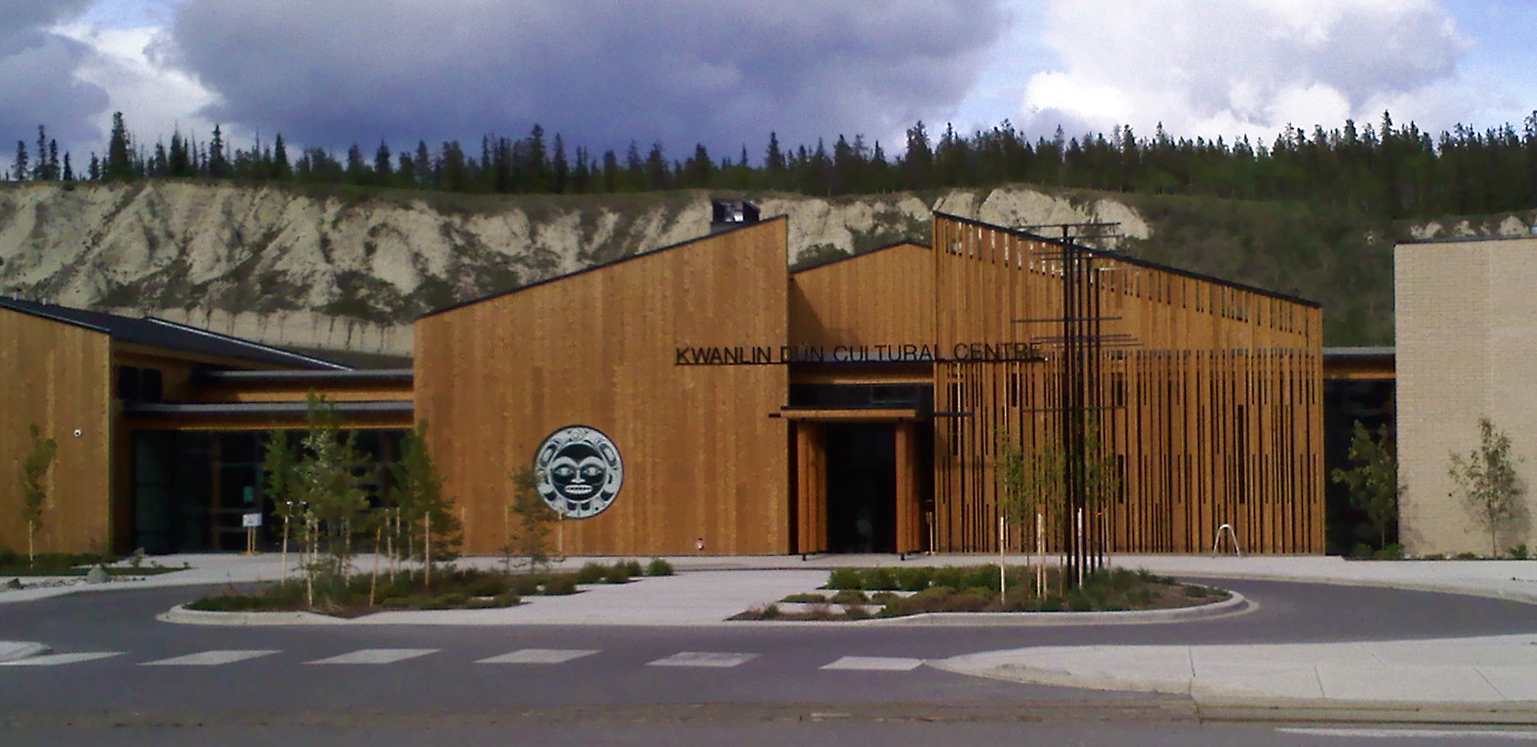
The Kwanlin Dün First Nation is a self-governing nation located in the Yukon, Canada, with a population of approximately 1,000 citizens. The nation is a signatory to the Umbrella Final Agreement and has its own constitution, which outlines the powers and responsibilities of the government. The Kwanlin Dün First Nation has a rich cultural heritage, with a strong emphasis on traditional practices and language preservation. The nation operates several businesses, including a hotel, a gas station, and a construction company, and is also involved in various economic development initiatives. With a vibe score of 8, the Kwanlin Dün First Nation is a thriving community that is working to balance traditional ways of life with modern economic and social realities. As the nation continues to grow and develop, it is likely to play an increasingly important role in the regional economy and cultural landscape, with potential implications for the wider Indigenous community and beyond.
🏠 Introduction to Kwanlin Dün First Nation
The Kwanlin Dün First Nation is a self-governing Indigenous Community located in the Yukon, Canada. With a rich history dating back thousands of years, the Kwanlin Dün people have traditionally inhabited the Yukon region, relying on the land for Hunting and Gathering. The community is known for its strong cultural heritage and vibrant Traditional Arts. The Kwanlin Dün First Nation has a unique Self-Government system, which allows for greater autonomy and decision-making power. This system is based on the Kwanlin Dün First Nation Land Claims Agreement, signed in 2005.
🌐 Geography and Climate
The Kwanlin Dün First Nation is situated in the southwestern part of the Yukon, near the city of Whitehorse. The community is nestled in a valley surrounded by mountains, with the Yukon River flowing through it. The climate is subarctic, with long, cold winters and short, mild summers. The community has a total area of approximately 219 square kilometers, with a mix of Forestry and Wildlife Conservation areas. The Kwanlin Dün people have traditionally used the land for Fishing, Hunting, and Gathering. The community is also home to several important Archaeological Sites, including the Kwanlin Dün Culture Camp.
🏞️ Traditional Territory
The traditional territory of the Kwanlin Dün First Nation covers a vast area of the Yukon, including the Yukon River and its tributaries. The community has traditionally used this land for Hunting, Gathering, and Fishing. The Kwanlin Dün people have a deep connection to the land and have developed a unique Traditional Knowledge system, which is passed down from generation to generation. This system is based on a deep understanding of the Environment and the importance of Conservation. The community is also home to several important Cultural Sites, including the Kwanlin Dün Culture Camp. The Kwanlin Dün First Nation has a strong commitment to Land Management and Wildlife Conservation.
📊 Demographics and Population
As of 2020, the population of the Kwanlin Dün First Nation is approximately 1,500 people, with about 700 living on-reserve. The community has a young population, with a median age of 25 years old. The Kwanlin Dün people are predominantly First Nations, with a small number of Inuit and Metis people also living in the community. The community has a high school graduation rate of 75%, with many students going on to pursue Post-Secondary Education. The Kwanlin Dün First Nation has a strong focus on Language Preservation, with many community members speaking the Tagish Language. The community is also home to several important Community Programs, including the Kwanlin Dün Youth Center.
👥 Governance and Leadership
The Kwanlin Dün First Nation has a unique governance system, with a Self-Government agreement in place. The community is led by a Chief and Council, who are responsible for making decisions on behalf of the community. The Kwanlin Dün First Nation has a strong focus on Community Engagement, with regular meetings and consultations with community members. The community is also a member of the Yukon First Nations organization, which represents the interests of First Nations communities in the Yukon. The Kwanlin Dün First Nation has a strong commitment to Transparency and Accountability, with regular reporting to the community. The community is also home to several important Governance Initiatives, including the Kwanlin Dün First Nation Constitution.
📚 History and Culture
The Kwanlin Dün First Nation has a rich and vibrant culture, with a strong focus on Traditional Arts. The community is known for its beautiful Handicrafts, including Carvings, Weaving, and Beadwork. The Kwanlin Dün people have a deep connection to the land and have developed a unique Traditional Knowledge system, which is passed down from generation to generation. The community is also home to several important Cultural Events, including the Kwanlin Dün Culture Camp. The Kwanlin Dün First Nation has a strong commitment to Language Preservation, with many community members speaking the Tagish Language. The community is also home to several important Cultural Programs, including the Kwanlin Dün Language Program.
💼 Economy and Employment
The Kwanlin Dün First Nation has a diverse economy, with a mix of Traditional Activities and modern industries. The community has a strong focus on Sustainable Development, with a commitment to Environmental Protection. The Kwanlin Dün people have traditionally relied on the land for Hunting, Gathering, and Fishing, and the community continues to prioritize these activities. The community is also home to several important Economic Initiatives, including the Kwanlin Dün First Nation Economic Development Corporation. The Kwanlin Dün First Nation has a strong commitment to Job Creation and Economic Growth, with a focus on developing Small Businesses and Entrepreneurship.
🏫 Education and Healthcare
The Kwanlin Dün First Nation has a strong focus on Education and Healthcare. The community has a modern School and Health Center, which provide a range of services to community members. The Kwanlin Dün First Nation has a strong commitment to Language Preservation, with many community members speaking the Tagish Language. The community is also home to several important Education Programs, including the Kwanlin Dün Language Program. The Kwanlin Dün First Nation has a strong commitment to Health Promotion, with a focus on developing Healthy Lifestyles and Disease Prevention. The community is also home to several important Health Initiatives, including the Kwanlin Dün First Nation Health and Wellness Center.
🌈 Community Development and Initiatives
The Kwanlin Dün First Nation has a strong focus on Community Development, with a commitment to developing Sustainable Communities. The community has a range of Community Programs, including the Kwanlin Dün Youth Center and the Kwanlin Dün Seniors Center. The Kwanlin Dün First Nation has a strong commitment to Social Housing, with a focus on developing Affordable Housing options for community members. The community is also home to several important Community Initiatives, including the Kwanlin Dün First Nation Community Garden. The Kwanlin Dün First Nation has a strong commitment to Food Security, with a focus on developing Sustainable Food Systems.
🤝 Relationships and Partnerships
The Kwanlin Dün First Nation has a strong focus on building Relationships and Partnerships with other communities and organizations. The community is a member of the Yukon First Nations organization, which represents the interests of First Nations communities in the Yukon. The Kwanlin Dün First Nation has a strong commitment to Collaboration and Cooperation, with a focus on developing Mutually Beneficial relationships. The community is also home to several important Partnership Initiatives, including the Kwanlin Dün First Nation Partnership with the City of Whitehorse. The Kwanlin Dün First Nation has a strong commitment to Regional Development, with a focus on developing Sustainable Regions.
🌟 Challenges and Opportunities
The Kwanlin Dün First Nation faces a range of Challenges and Opportunities as it looks to the future. The community is committed to developing Sustainable Communities and promoting Economic Growth. The Kwanlin Dün First Nation has a strong focus on Language Preservation and Cultural Preservation, with a commitment to developing Cultural Programs and Language Programs. The community is also home to several important Initiatives, including the Kwanlin Dün First Nation Constitution and the Kwanlin Dün First Nation Land Claims Agreement. The Kwanlin Dün First Nation has a strong commitment to Self-Determination and Self-Government, with a focus on developing Sustainable Governance systems.
Key Facts
- Year
- 1995
- Origin
- Yukon, Canada
- Category
- Indigenous Communities
- Type
- Indigenous Government
Frequently Asked Questions
What is the Kwanlin Dün First Nation?
The Kwanlin Dün First Nation is a self-governing Indigenous Community located in the Yukon, Canada. The community has a rich history and culture, with a strong focus on Traditional Arts and Language Preservation. The Kwanlin Dün First Nation has a unique Self-Government system, which allows for greater autonomy and decision-making power. The community is known for its beautiful Handicrafts and Cultural Events.
Where is the Kwanlin Dün First Nation located?
The Kwanlin Dün First Nation is located in the southwestern part of the Yukon, near the city of Whitehorse. The community is situated in a valley surrounded by mountains, with the Yukon River flowing through it. The Kwanlin Dün First Nation has a total area of approximately 219 square kilometers, with a mix of Forestry and Wildlife Conservation areas.
What is the population of the Kwanlin Dün First Nation?
As of 2020, the population of the Kwanlin Dün First Nation is approximately 1,500 people, with about 700 living on-reserve. The community has a young population, with a median age of 25 years old. The Kwanlin Dün people are predominantly First Nations, with a small number of Inuit and Metis people also living in the community.
What is the economy of the Kwanlin Dün First Nation like?
The Kwanlin Dün First Nation has a diverse economy, with a mix of Traditional Activities and modern industries. The community has a strong focus on Sustainable Development, with a commitment to Environmental Protection. The Kwanlin Dün people have traditionally relied on the land for Hunting, Gathering, and Fishing, and the community continues to prioritize these activities.
What are some of the challenges facing the Kwanlin Dün First Nation?
The Kwanlin Dün First Nation faces a range of Challenges and Opportunities as it looks to the future. The community is committed to developing Sustainable Communities and promoting Economic Growth. The Kwanlin Dün First Nation has a strong focus on Language Preservation and Cultural Preservation, with a commitment to developing Cultural Programs and Language Programs.
What is the Kwanlin Dün First Nation's relationship with other communities and organizations?
The Kwanlin Dün First Nation has a strong focus on building Relationships and Partnerships with other communities and organizations. The community is a member of the Yukon First Nations organization, which represents the interests of First Nations communities in the Yukon. The Kwanlin Dün First Nation has a strong commitment to Collaboration and Cooperation, with a focus on developing Mutually Beneficial relationships.
What are some of the community programs and initiatives offered by the Kwanlin Dün First Nation?
The Kwanlin Dün First Nation offers a range of Community Programs and Initiatives, including the Kwanlin Dün Youth Center and the Kwanlin Dün Seniors Center. The community also has a strong focus on Language Preservation and Cultural Preservation, with a commitment to developing Cultural Programs and Language Programs.